SUPER NH - Commissions Info Page
Before commissioning me please read the entire information page.
To commission me please contact me on either Gmail (to Discord DMs), Instagram DMs, Tumblr or Bluesky DMs.
Payment will be sent via PayPal only!
Offers | Format Selection | Request Conditions | TOS & Payment Details | Examples | Availability
Format Selection & Format Info
Work Stages:
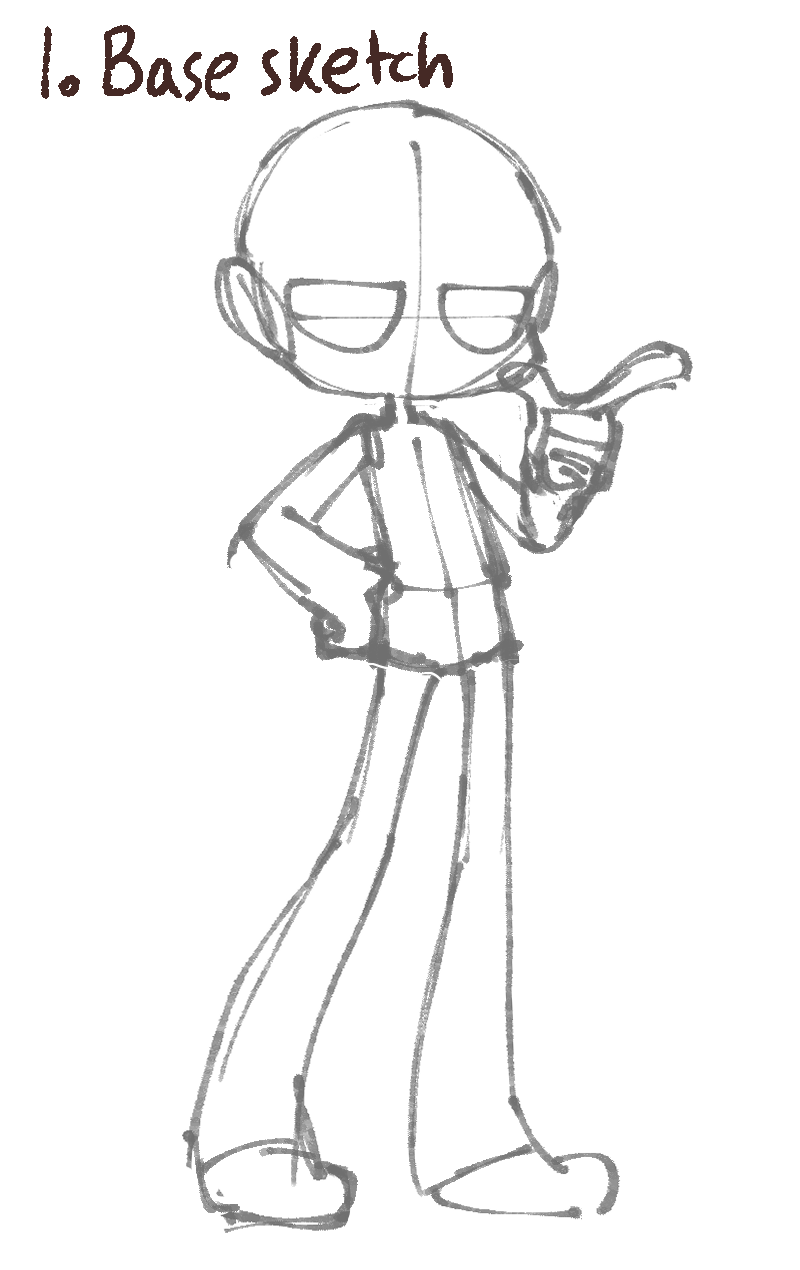
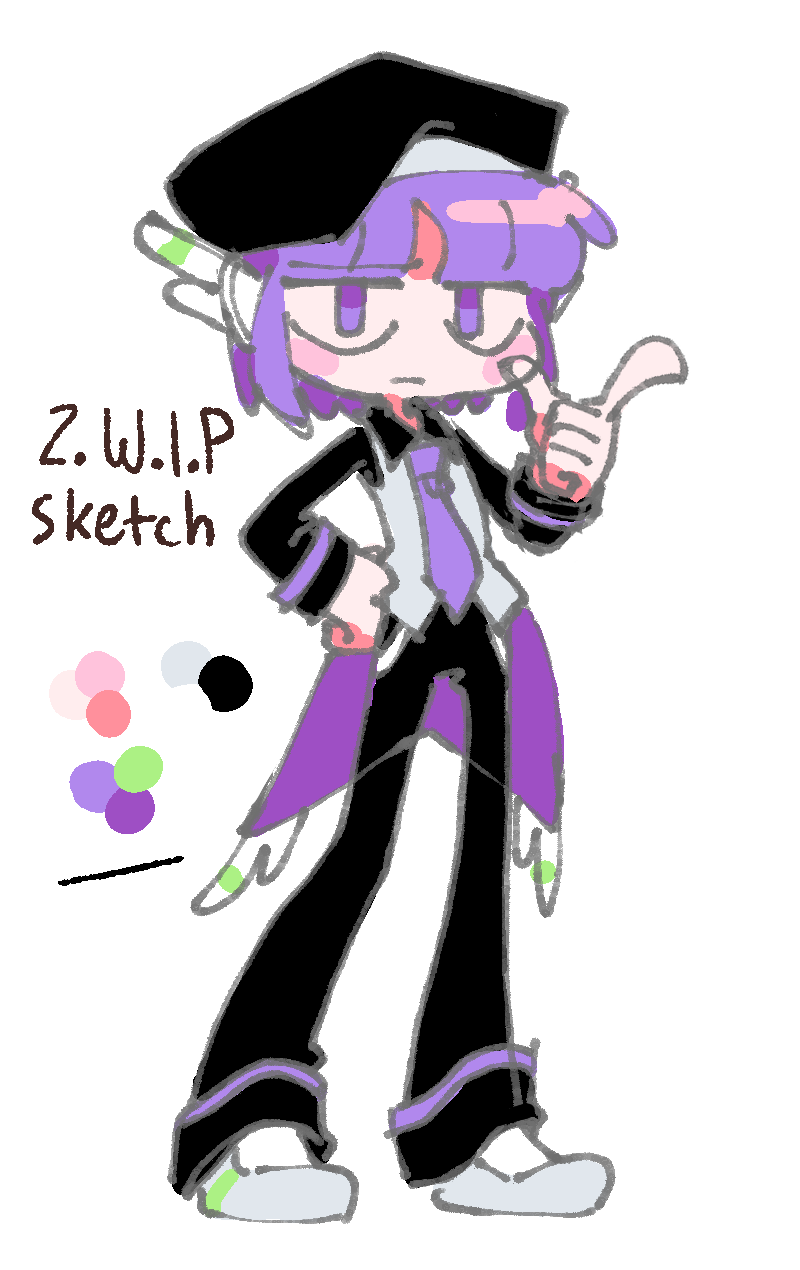
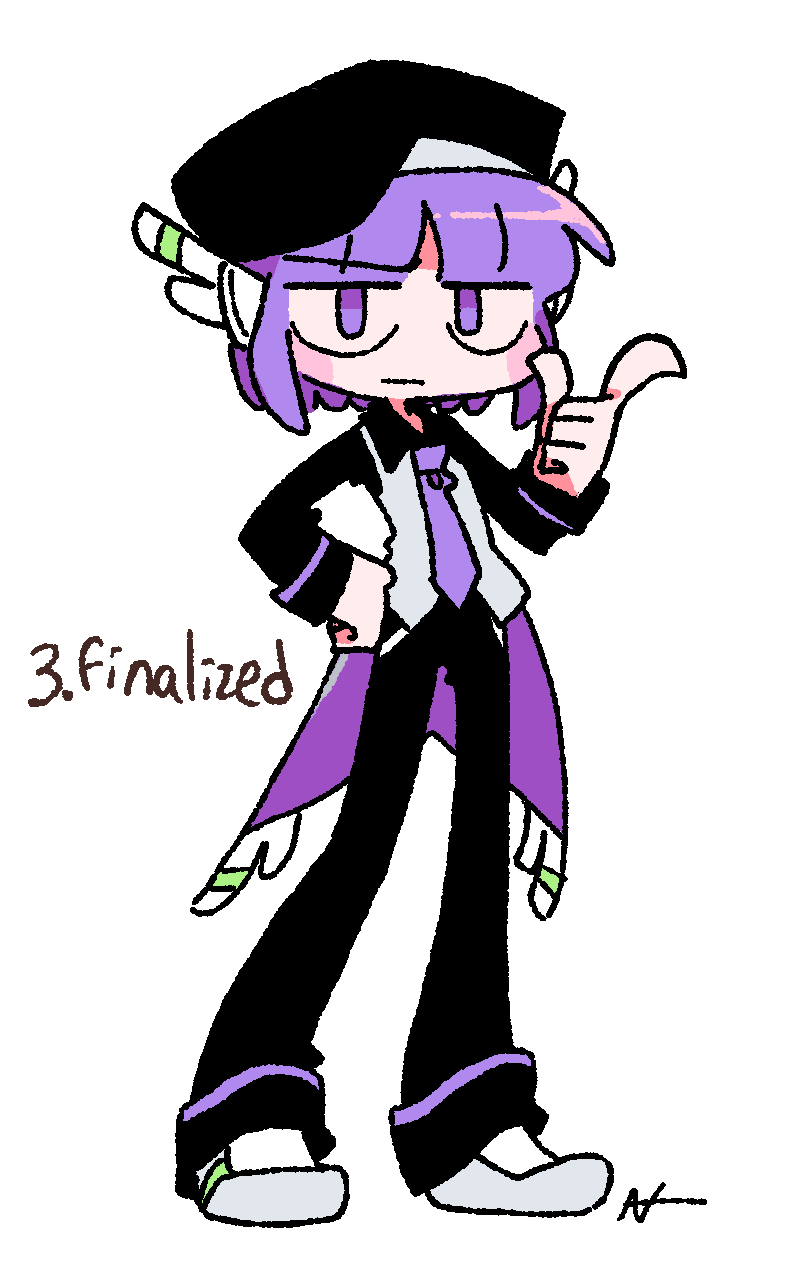
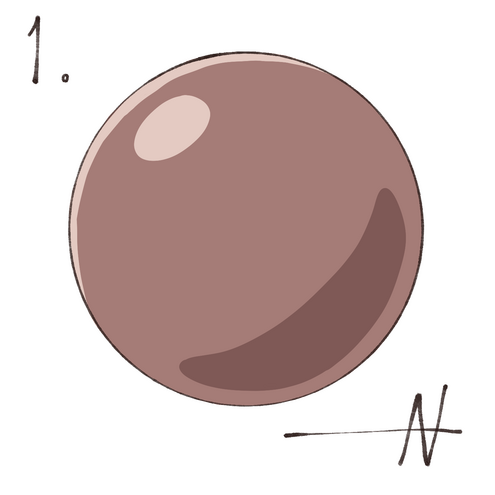
1. Base SketchThis part may or may not be sent to customers but it is the earliest stage of work where I try to base off the general picture and might add some brief details. It usually looks like this or with some hints of design details. If I am very unsure I may send this version for feedback.2. WIP SketchThis is the main stage where customers are asked to either give the current sketch feedback for adjustments or approval to continue to the finalization part. Depending on the request, it could also show the intended color pallet and linework demo of the artwork to be set for approval.3. FinalizationThis is the stage where refunds and feedbacks are no longer available. The artwork will get it's finalizing touches (lineart, coloring, rendering, background detail, enviroment rendering...) and the artwork will be submitted when the process if finished.
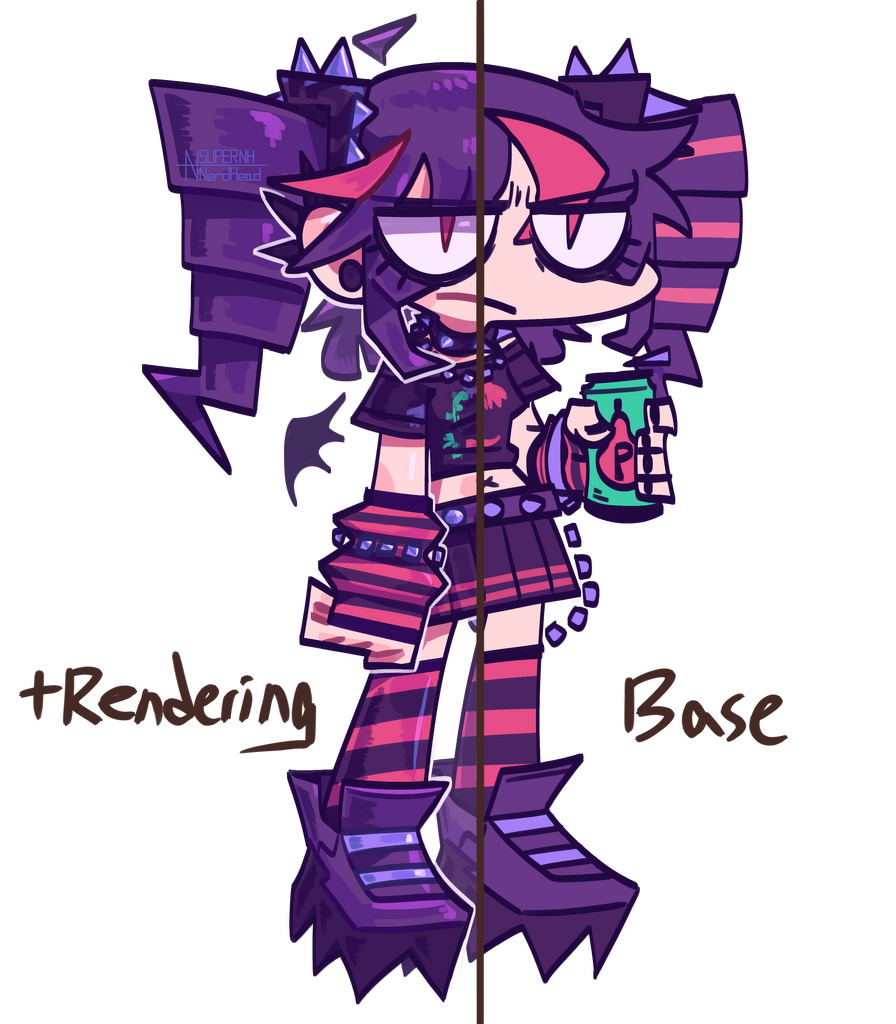
+ Rendering:
Base artworks with no rendering will typically be base colored by choice and with basic colored lineart of choice (unless the artwork is lineless).
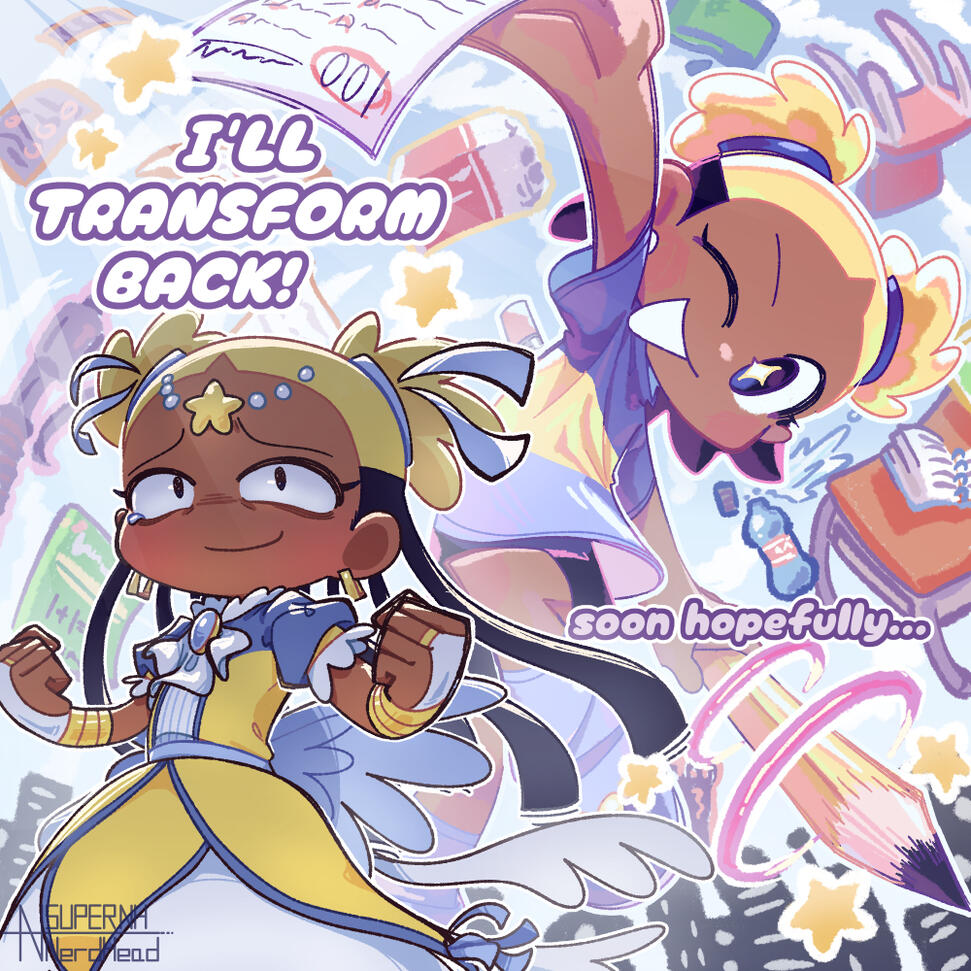
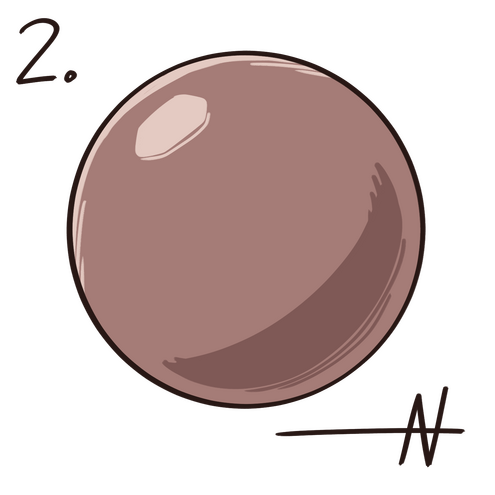
Artworks with rendering will have the additions of shading, highlights, colored lineart and if requested/needed also reflect light, dramatic lightning, transitional lights, hard shadows and even more creative patterns.
I am not an overly detailed artist, especially with my stylized artstyle so do note that renderings may not have an extreme difference like with some other artists. It can still change the autmosphere of the artwork or help it feel more appealing and blend in with scenery and enviroments.
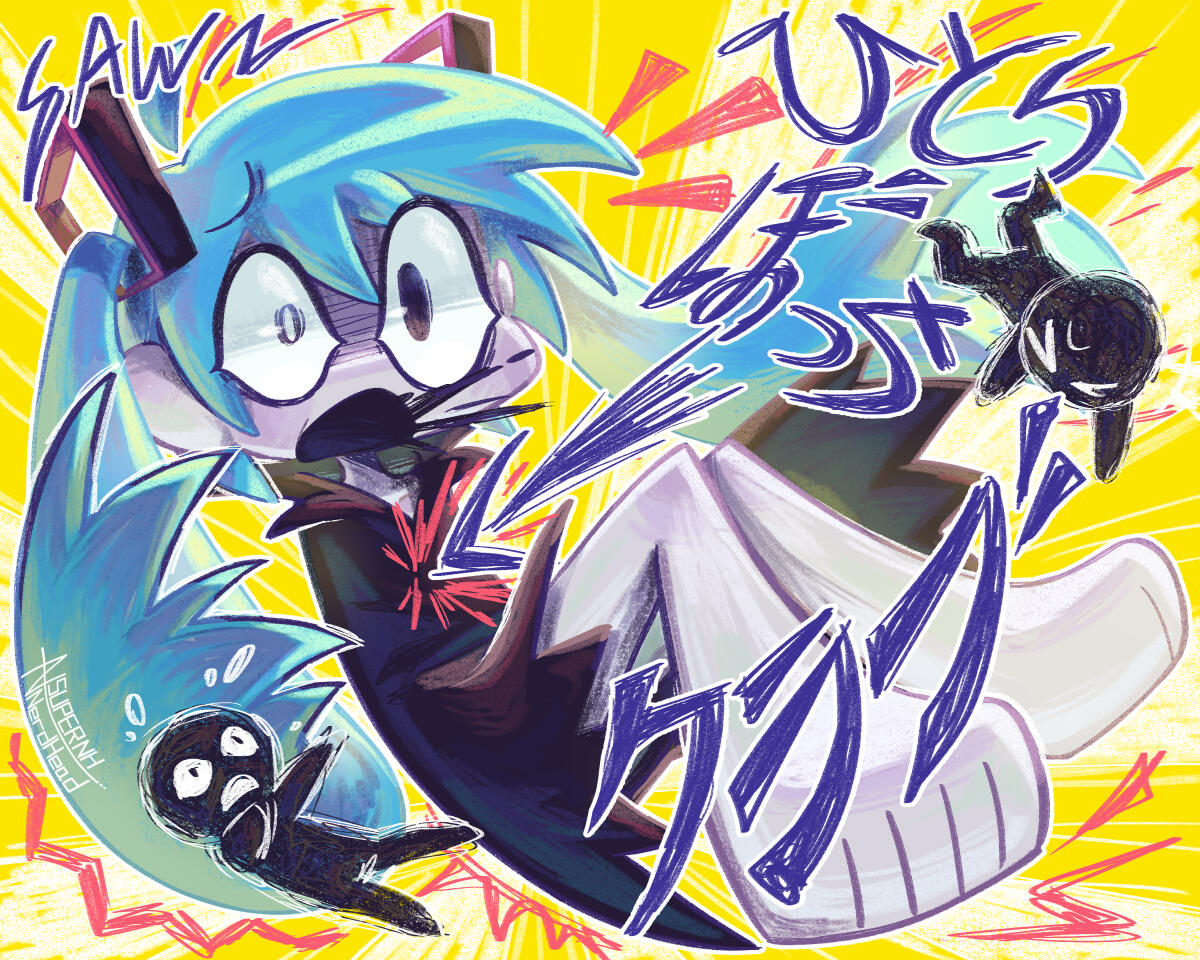
1. Soft Pen StyleTexture style partially inspired by modern One Piece animation.
Recommended for sketch-like, wobbly, soft or freestyled feel.
-
-
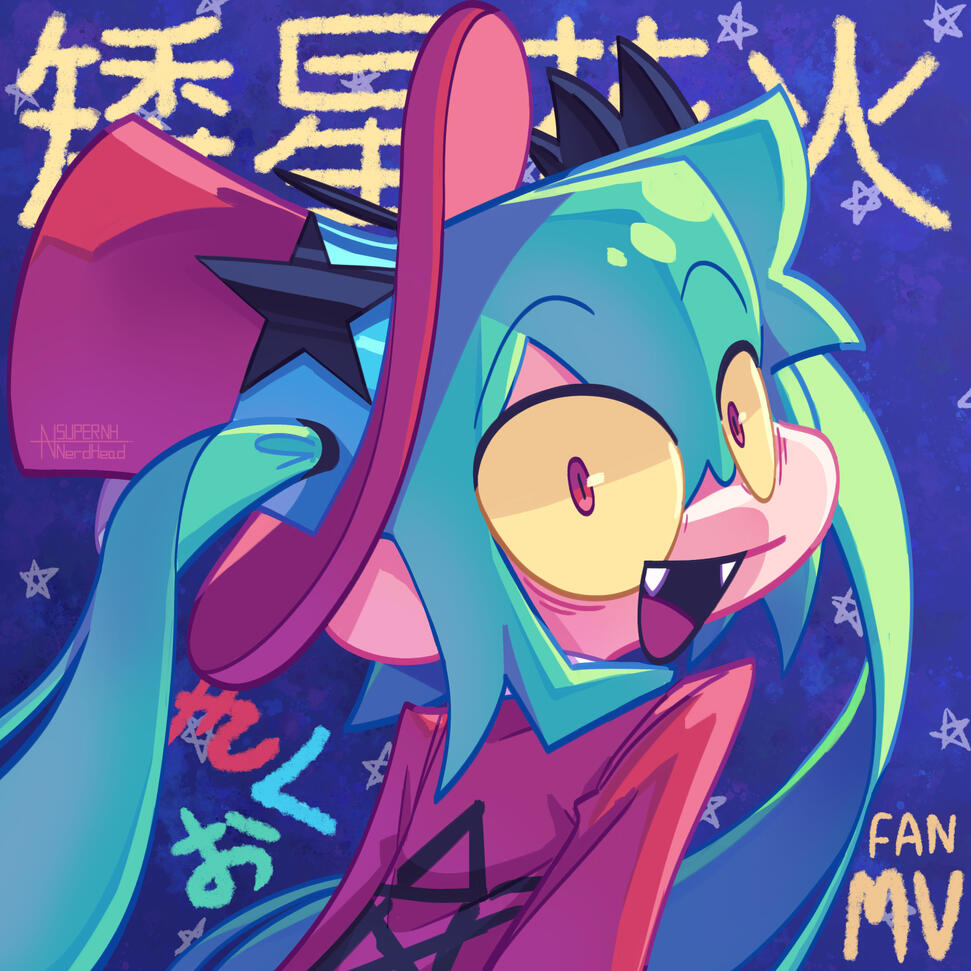
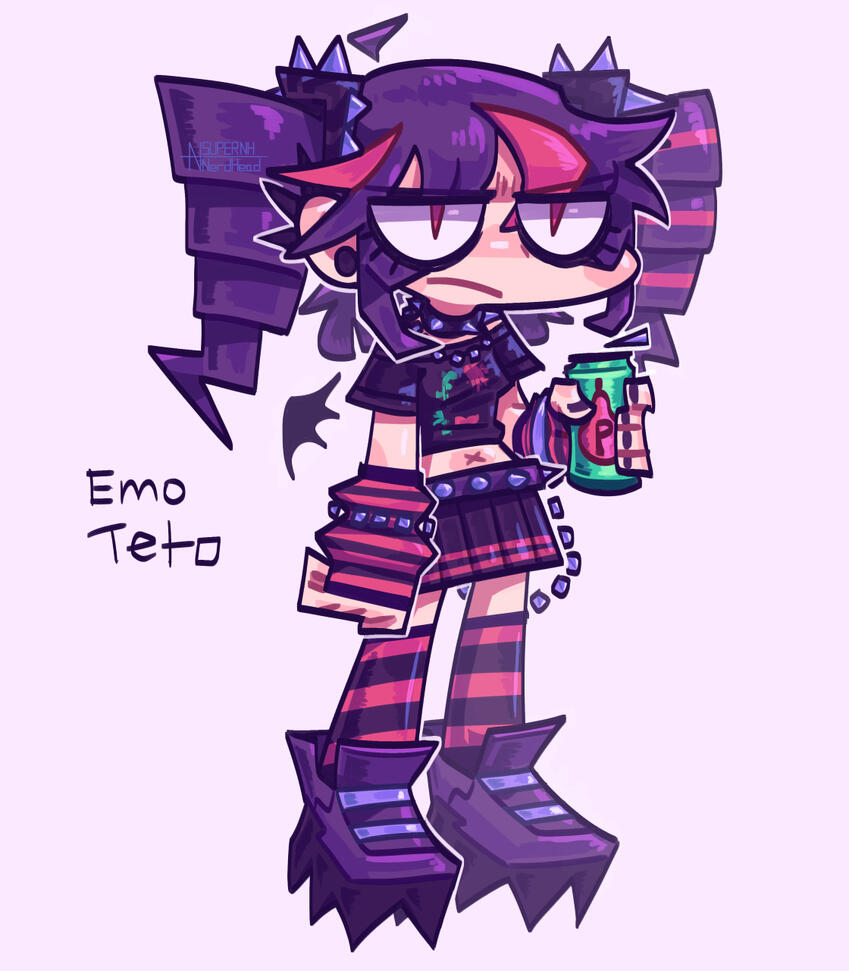
2. Hard Brush StyleTexture style inspired by Graffiti art, punk / harsh and stylized aesthetics.
Recommended for stylized sharp shape language, rebellious expression and cartoonish stylization.
-
-
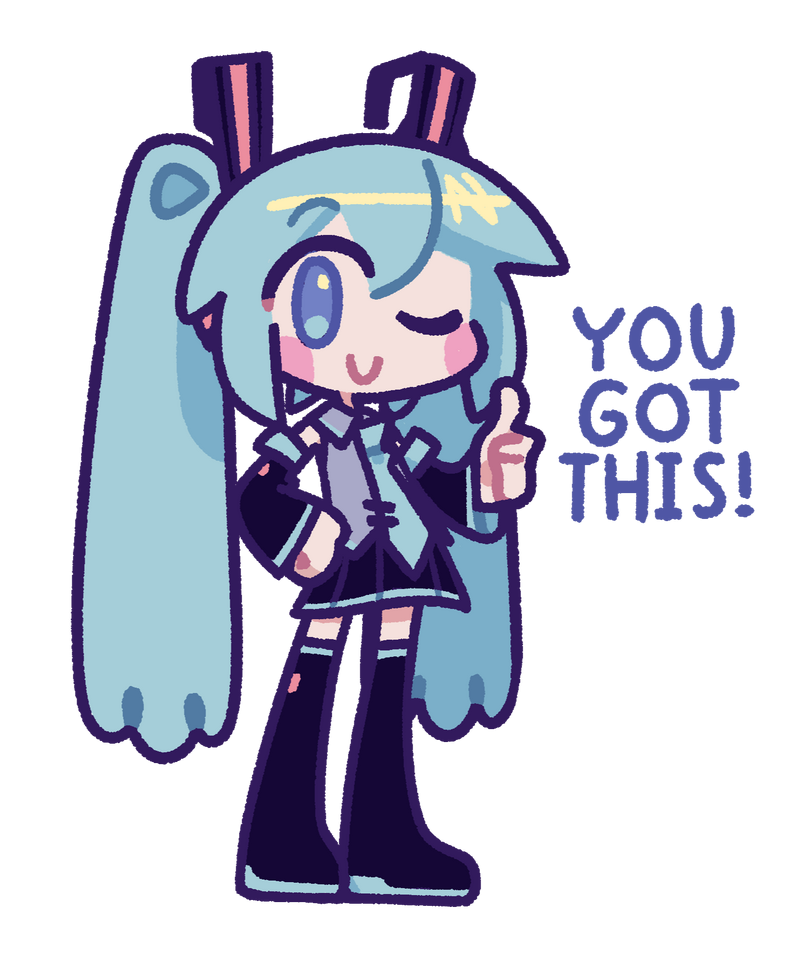
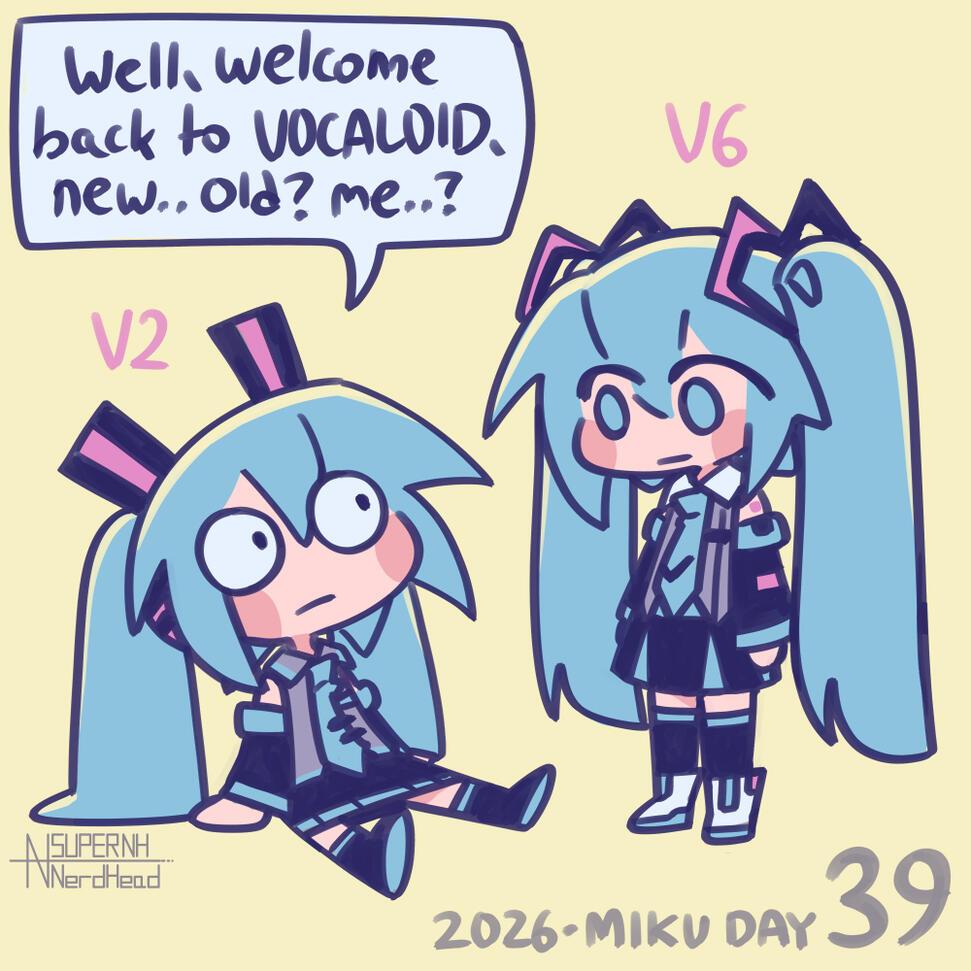
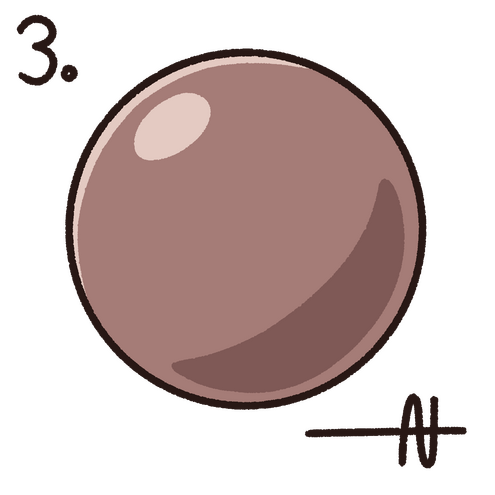
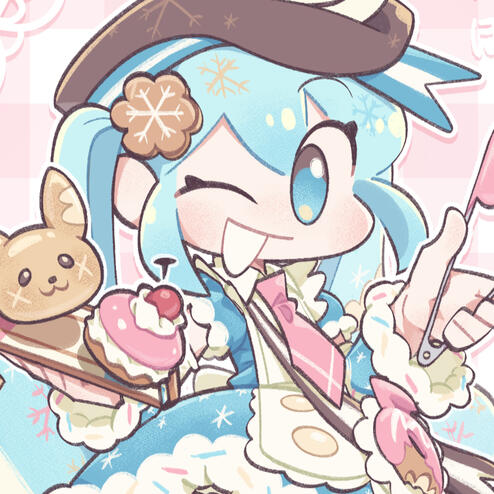
3. Thick Line StyleTexture style inspired by styles / aesthetics like SANRIO and "kawaii" modern simplism.
Recommended for cute expression, modernism aesthetics and simplified art. Not recommended to have rendering for this one due to its nature.
-
-
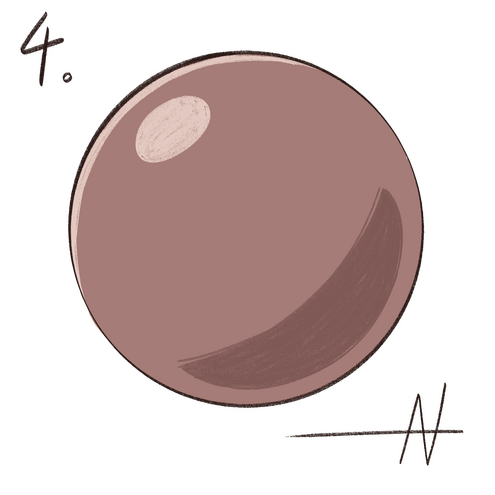
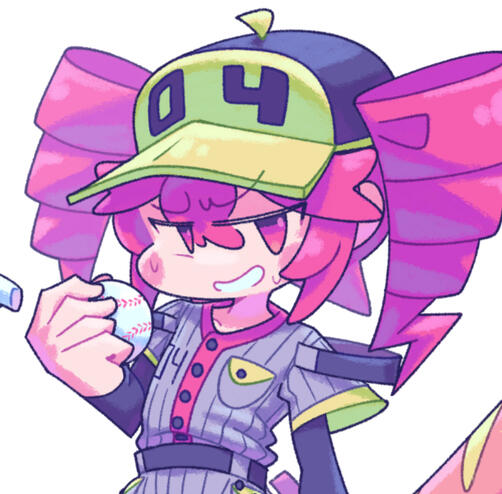
4. Rough Crayon StyleTexture style inspired by crayon like linework and rendering.
Recommended for variety in line weigh, retro aesthetics and crunchy looking art.
-
-
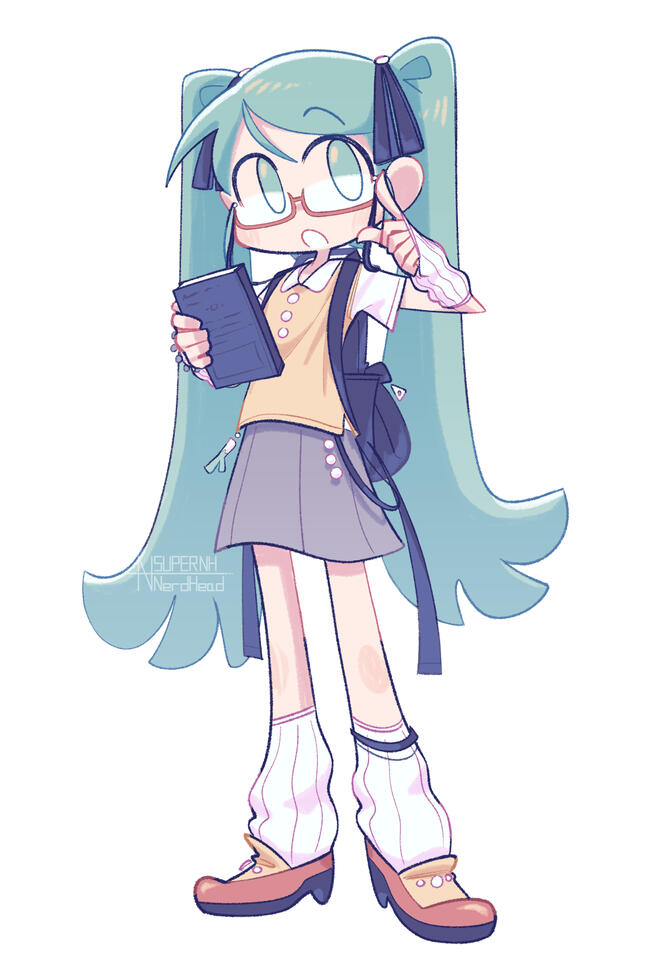
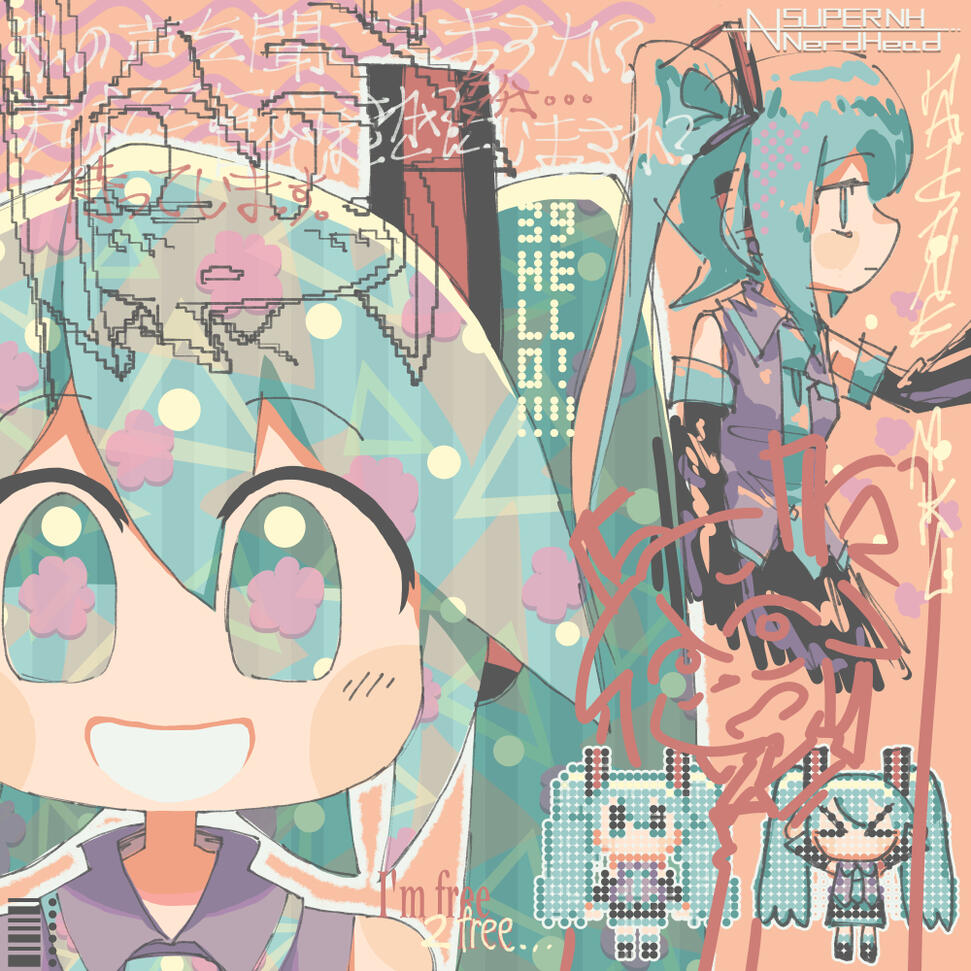
5. Standard Pencil StyleMore of a basic style but with a fuzzy feeling.
Recommended for more basic expressions that still got some pasazz and standalones.
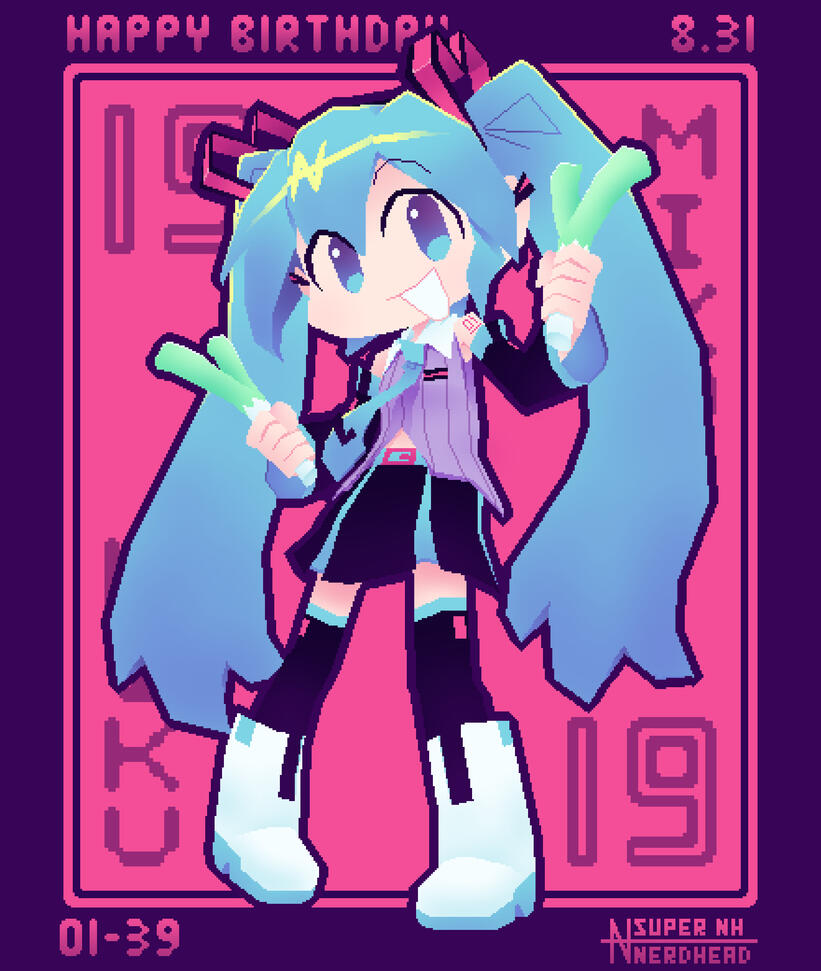
This style has a more pixelated version as well.
-
-
-
-
- NOTE: There is an option to commission an artwork in an ALTERNATIVE BRUSH STYLE (pixel brush, lineless, other brush textures) but doing so can lead to a potential cost increase depending on difficulty.
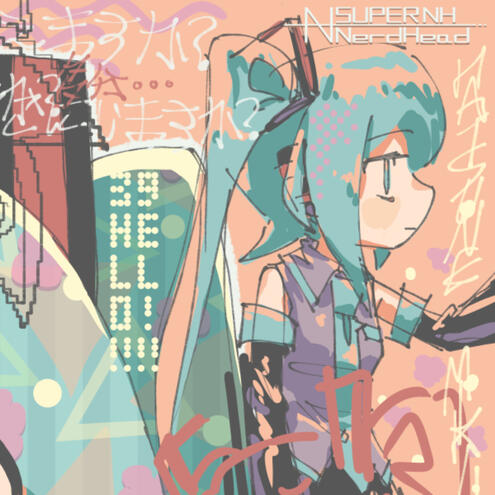
Brush Style Options:
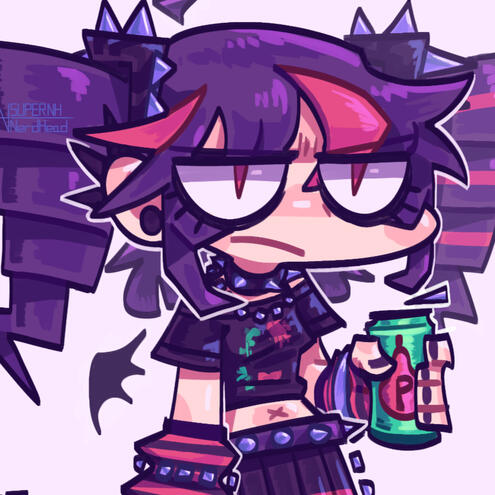
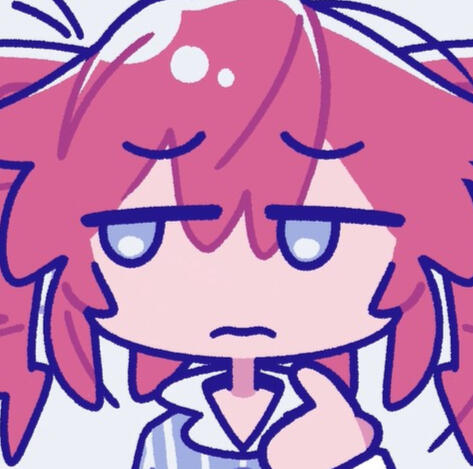
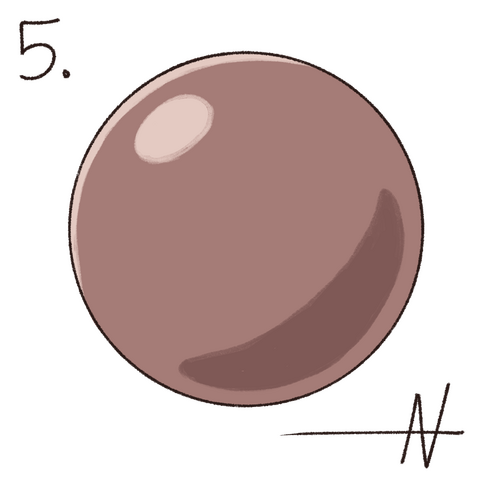
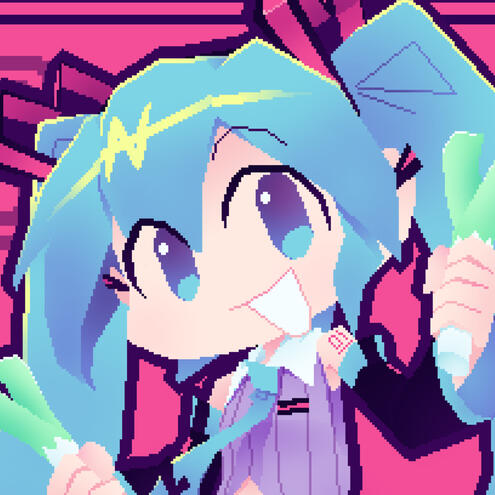
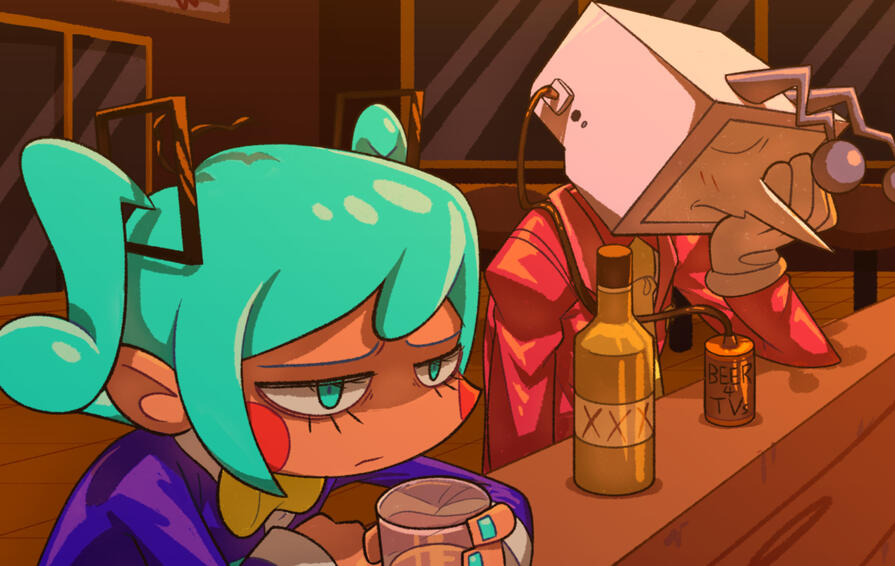
+ Additional Character
In Extra Chibi Goobers, standalones and animations, having an additional character in the same canvas will add 50% of the sum of the artwork.
In Full Illustrations it can depend more on the general complexity but can reach a similar additional cost.
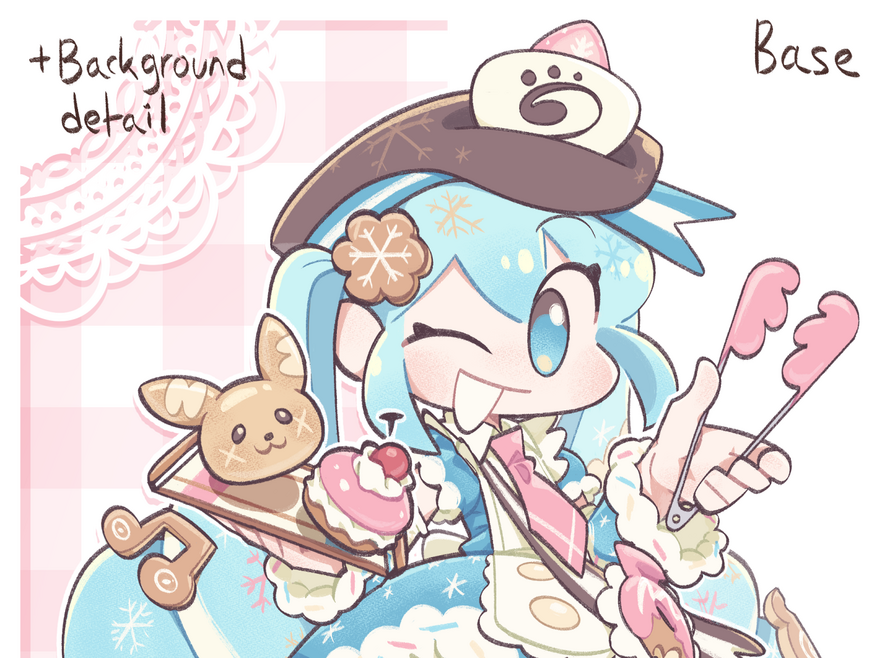
+ Background Detail
Every standalone or Extra Chibi Goober starts with a basic blank background.
Adding the free addition of background detail can give it a colored or even patterened background depending on the request.
It is NOT background enviroment or scenery!! That is only available for Full Illustrations and animations. This option is only really for aesthetic / visual design porpuses.
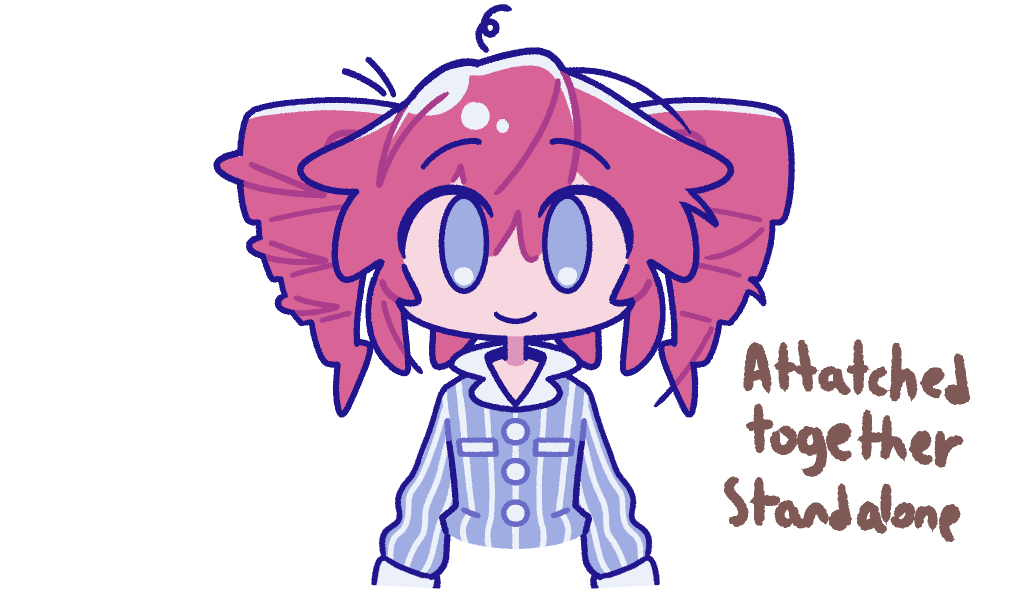

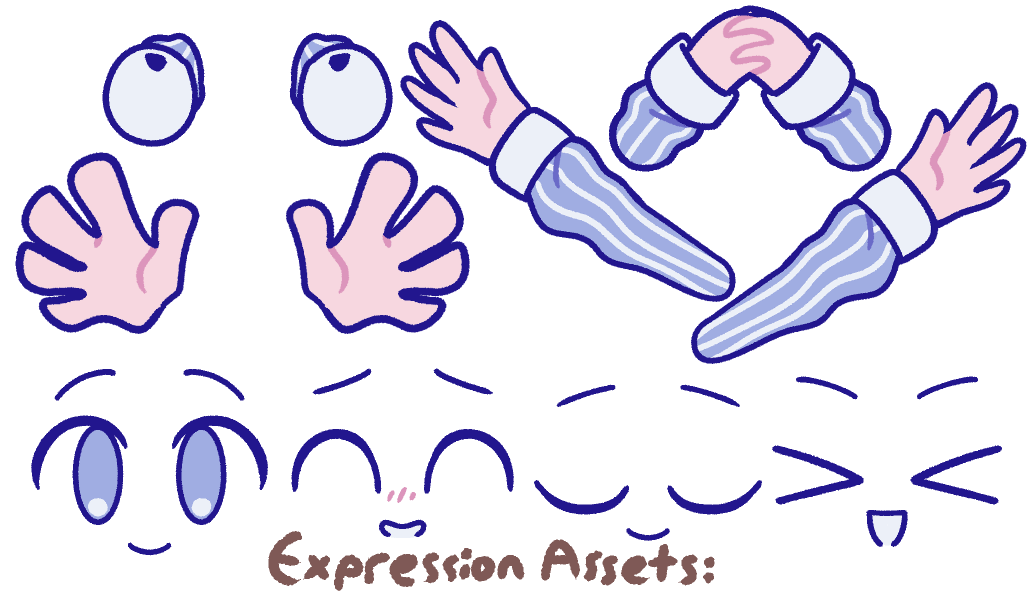
+ Section Separation:
+ Section Separation (for tweening)Formatting concept where I will construct the drawing of a character in a way that is built out of indevidualy layered sections of it, essentially a rig base for the animation method of tweening.
Tweening is when you use keyframes to animate a character using different layered sections like this on top of each other.
It will be exported as either indevidual PNGs for each section or a PSD.+ Expression AssetsExpression assets are different indevidual versions of a section type. They can be used to give the standalone different options to express itself by switching between versions.
For example: eyes-open, eyes-closed, mouth-smiling, mouth-distain, arms-crossed, arms-open
or
face-1, face-2, face-3, face-4
Example Gallery

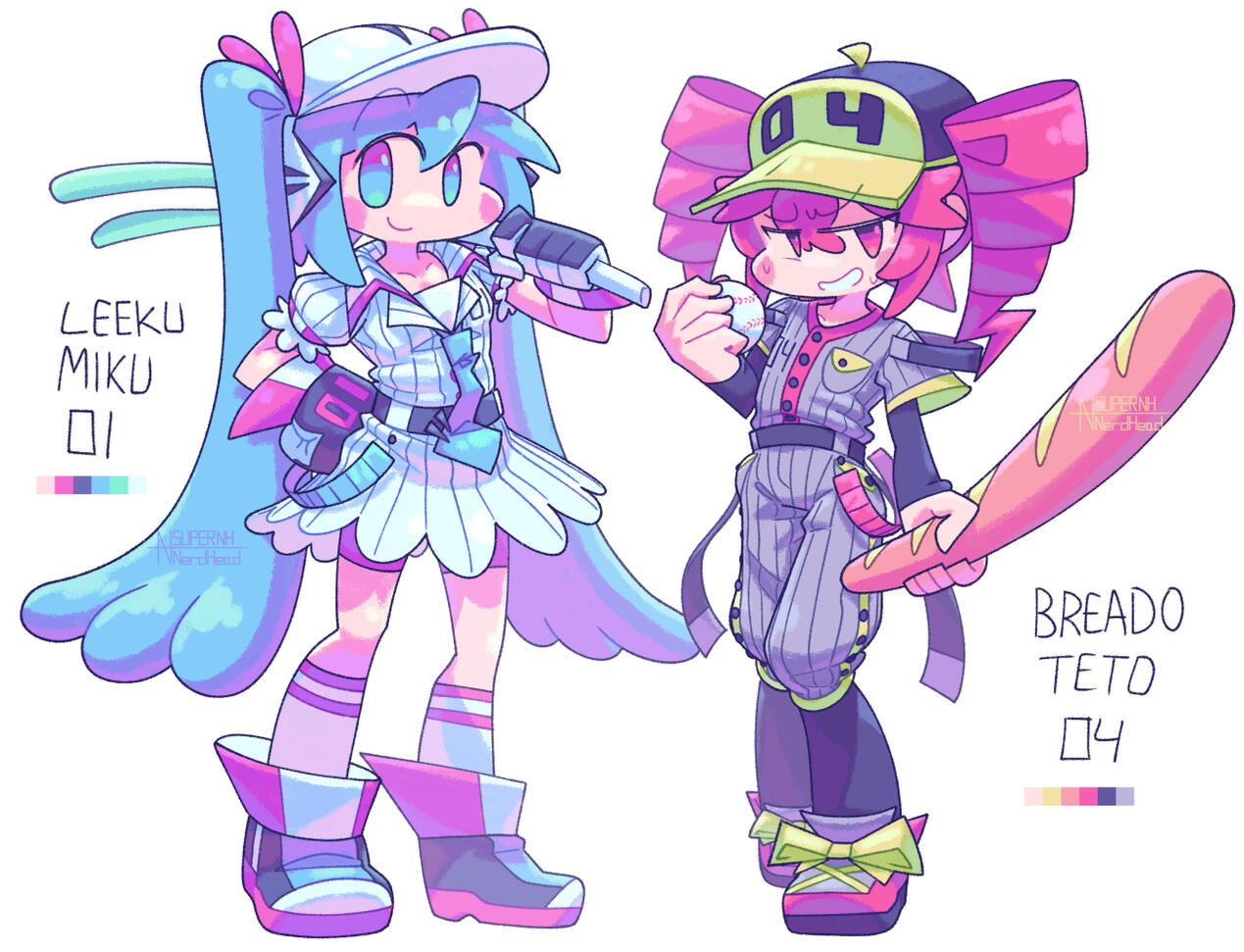
55 USD worth | Standalone (halfbody) + rendering | Standard Pencil Style | 2026

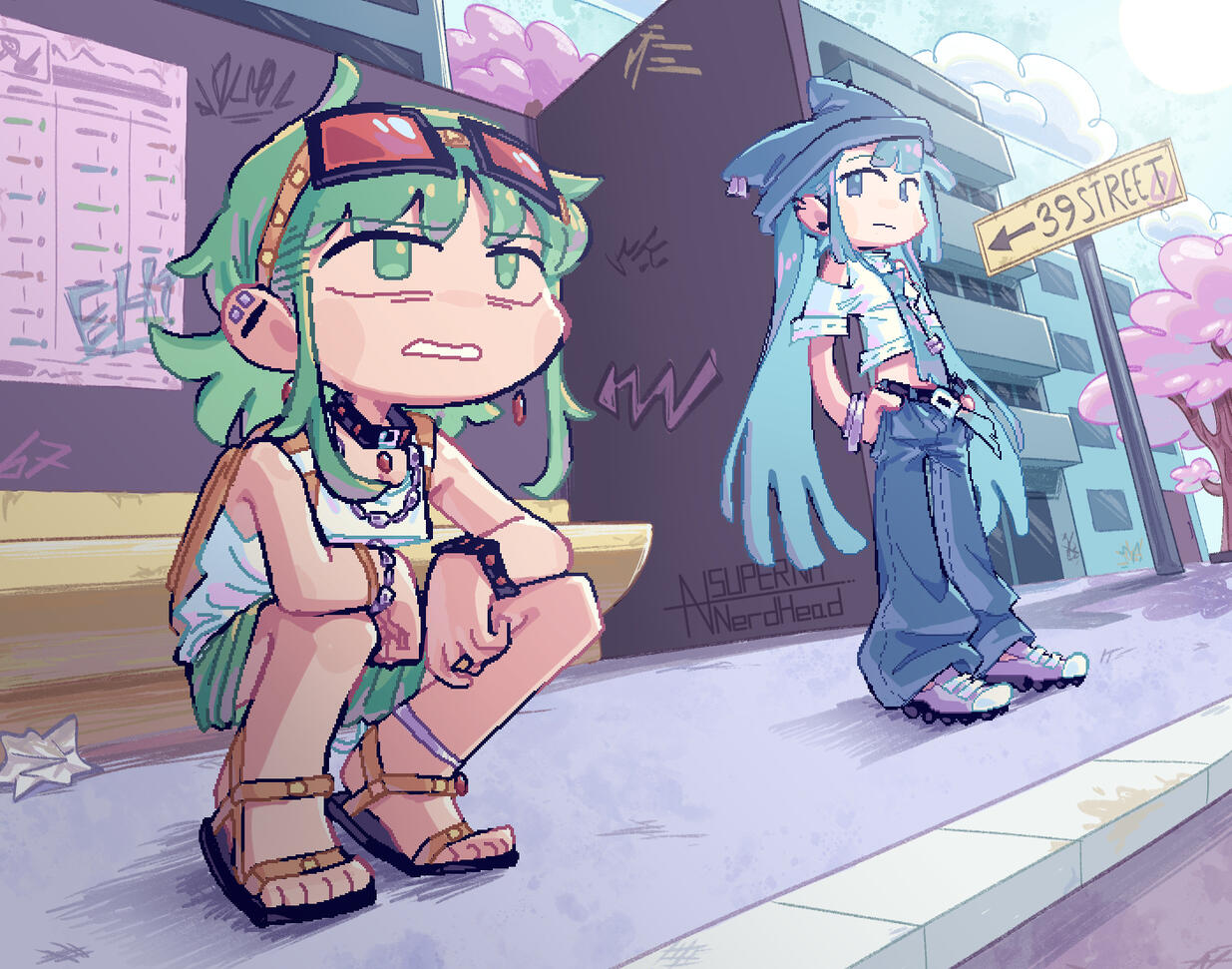
70 USD worth | Standalone (fullbody) + rendering + background detail | ALTERNATIVE BRUSH STYLE | 2026

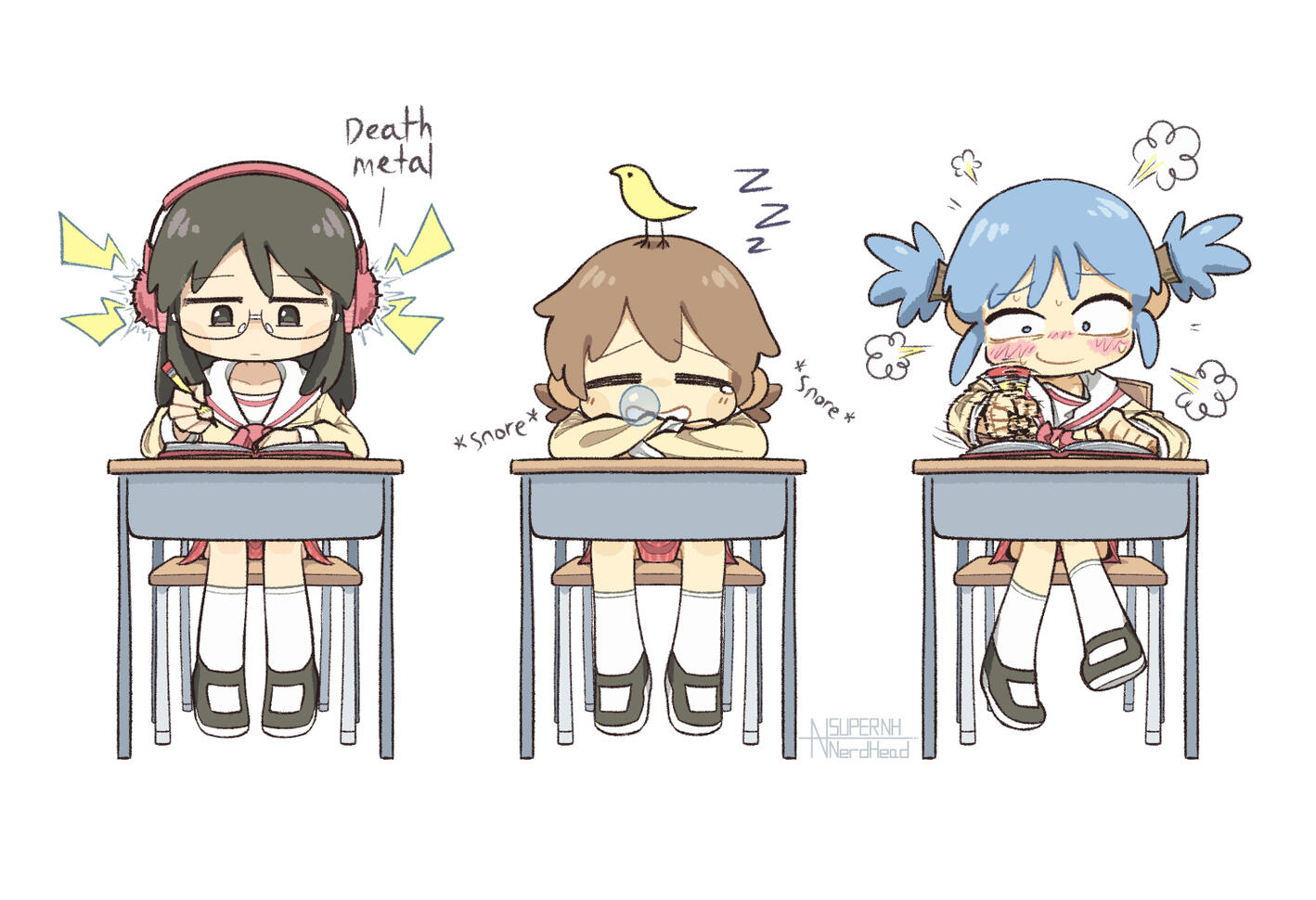
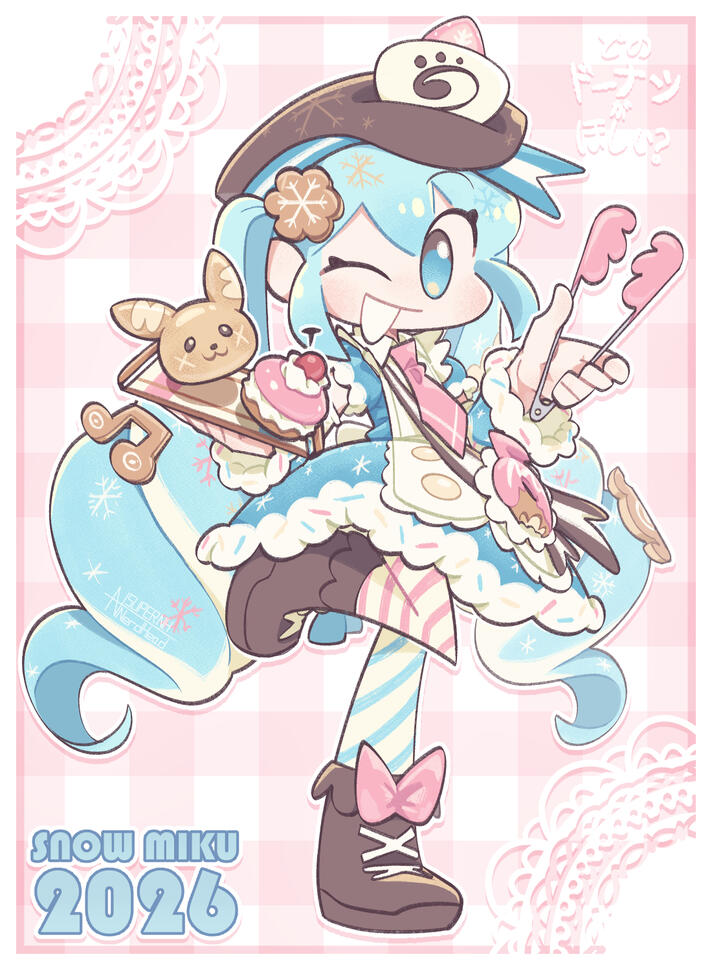
10 USD worth | Extra Chibi Goober | Thick Line Style | 2026

95 USD worth | Full Illustration (half body + fullbody) + rendering + additional character | Standard Pencil (pixelated ver) style | 2026

85 USD worth | Full Illustration (fullbody) | Standard Pencil Style | 2026

55 USD worth | Full Illustration (halfbody) | Hard Brush style | 2025

15 USD worth | Extra Chibi Goober + additional character + background detail | Hard Brush style | 2026

75 USD worth | Full Illustration (headshot, halfbody, Extra Chibi Goober) | Soft Pen style + ALTERNATIVE BRUSH STYLE | 2026

83 USD worth | Standalone (fullbody) + rendering + additional character | Standard pencil style | 2025

60 USD worth | Standalone (fullbody) + rendering + background detail | Rough Crayon style | 2026

95 USD | Full Illustration (fullbody) | Rough Crayon style + ALTERNATIVE BRUSH STYLE | 2026

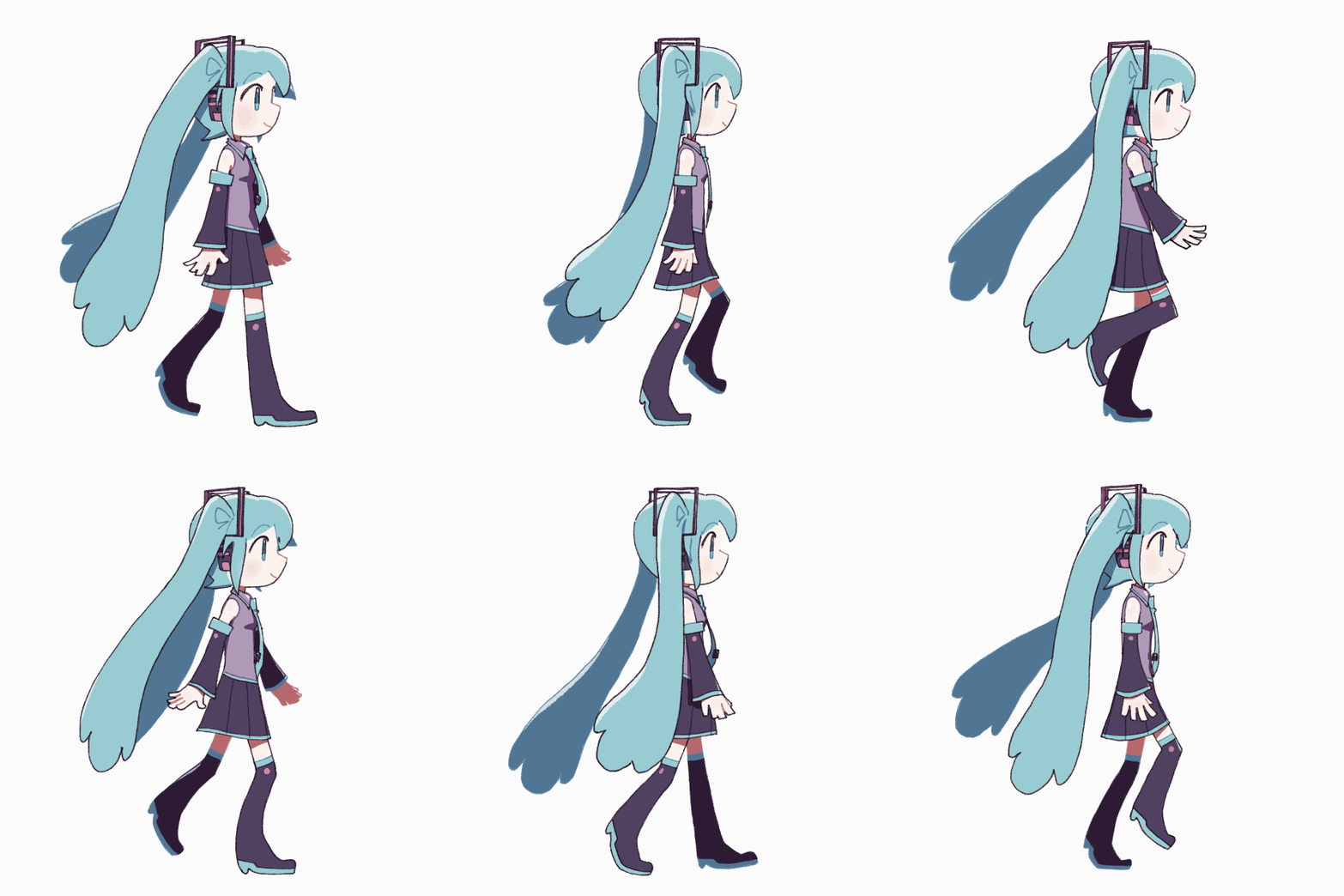
100-130 USD worth | Frame Animation (fullbody) + colors + rendering | Soft Pen style | 2026

75 USD | Full Illustration (fullbody) | Rough Crayon style | 2026

90 USD worth | Full Illustration (half body, additional character) | Standard Pencil style | 2025

60 USD worth | Standalone (fullbody) + rendering | Hard Brush style | 2025